
When a severe accident or injury abruptly alters life, the consequences can be truly life-altering. The aftermath often extends beyond physical pain, impacting emotional well-being, relationships, and financial stability in profound ways. This is where legal assistance becomes crucial.
Catastrophic injuries are the most serious level of injury, short of death. Examples of catastrophic injuries include spinal cord injuries, paralysis, and traumatic brain injuries.

These types of injuries typically result from vehicle accidents, motorcycle accidents, and construction accidents.
The law states that a catastrophic injury is any injury that permanently prevents you from performing any gainful work. It typically involves permanent or long-term pain or loss of the use or function of a limb or organ.
If you suffer from a catastrophic or serious injury, you typically undergo extensive medical care and a life-changing experience that often involves a diminished quality of life.
But what exactly is considered a "catastrophic injury"? This is where professional legal representation can guide you. Let's explore this question.
Defining a Catastrophic Injury
While there is no single, universal definition for catastrophic injuries, the term is generally reserved for injuries that cause significant trauma, often leading to long-term or permanent damage, disfigurement, or life-altering impairments.
At its core, a catastrophic injury is one that dramatically impacts a person's ability to function as they did before. These injuries often require long-term or even lifelong medical care and rehabilitation. The effects may extend beyond the physical, making it difficult for victims to work, care for themselves, or engage in daily activities as they once did.
While the severity and specifics of what constitutes a catastrophic injury can vary from case to case, the key factors typically include:
- Serious physical trauma,
- Long-term or permanent disability
- Ongoing medical treatment or care
- Significant impact on quality of life.
When is an Injury Considered 'Catastrophic'?
'Catastrophic injury' is a widely used term, but it's not always used correctly. Often, we hear about catastrophic injuries in various contexts, including news reports and emergency rooms at hospitals.
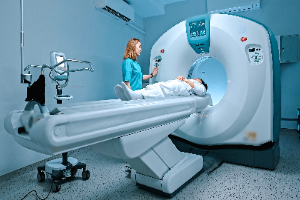
So, when is an injury considered catastrophic? The answer is not straightforward, as the accepted legal definition of a catastrophic injury is not a simple one. This complexity underscores the need for professional guidance and expertise in such cases, highlighting the crucial role of legal professionals.
There is, however, a commonly used specification that describes the injury as a severe injury to the spine, spinal cord, or brain, and may also include skull or spinal fractures, loss of a limb, and severe burn injuries that lead to a permanent or long-term severe functional disability or disfigurement.
Such injuries often require post-acute rehab and involve a lifetime of medical treatment, multiple surgical procedures, and an extensive and difficult recovery process.
Other examples of a catastrophic injury include severe burns, amputations, bone fractures, and organ damage. It can be caused by many factors, mainly accidents that cause physical trauma, such as an automobile accident.
Common Types of Catastrophic Injuries
Catastrophic injuries can manifest in various forms, each with its own severe and lasting impact. Some of the most common types include:
- Traumatic Brain Injuries (TBI): Caused by blows, jolts, or penetrating injuries; can lead to cognitive impairments, memory loss, personality changes, or physical disabilities.
- Brain Trauma: Catastrophic injuries of the head may cause lifelong effects, such as cognitive dysfunction, speech problems, limited mobility, etc.
- Spinal Cord Injuries: Affects mobility, sensation, and bodily functions, potentially causing partial or complete paralysis, which significantly impacts independence and quality of life.
- Amputations: Loss of a limb requires emotional adjustment, rehabilitation, and prosthetics; it involves significant physical and emotional challenges.
- Severe Burns: Deep burns cause permanent scarring, nerve damage, and mobility issues; often require ongoing medical care and emotional support.
- Multiple Fractures: Complex or multiple breaks lead to prolonged recovery, chronic pain, reduced mobility, and potential surgeries.
Each of these injuries demands specialized medical care, but no two cases are exactly alike. The impact often depends on the extent of the damage, the victim's overall health, and the resources available for recovery.
Common Causes of Catastrophic Injuries
Catastrophic injuries are often preventable, and they are commonly linked to events where negligence plays a role. This underscores the importance of safety and caution in our daily lives, empowering us to take responsibility for our actions.
- Motor Vehicle Accidents: High-speed crashes and collisions involving large vehicles often result in severe injuries.
- Workplace Accidents: Jobs in construction, manufacturing, and transportation pose significant risks, including falls, machinery malfunctions, and exposure to hazardous materials.
- Slip-and-Fall Accidents: Falls can result in serious injuries, particularly for older adults or those with pre-existing health conditions.
- Acts of Violence: Assaults and gunshot wounds cause catastrophic harm, requiring extensive medical care and recovery.
The Long-Term Impact of Catastrophic Injuries
The road to recovery from a catastrophic injury is often anything but straightforward. For many victims, it can include multiple surgeries, lengthy hospital stays, ongoing physical therapy, and the need for specialized equipment or assistance.
These treatments come with a steep price tag, creating financial strain for the victim and their loved ones. This comprehensive understanding of the challenges is crucial for victims and their families.
Beyond the immediate medical costs, catastrophic injuries can result in lost wages, decreased earning potential, and a need for modified living spaces or long-term care. For families, balancing these financial responsibilities while supporting a loved one through their recovery can feel overwhelming.
Who is Liable for Catastrophic Injuries?
Defendants in these cases typically include negligent parties and product manufacturers of the defective product that caused the injury (product liability cases). It also includes property owners where the accident occurred (premises liability cases), employers, and owners of animals that bite (dog bites).
Notably, someone acts 'negligently' when they fail to act the way a reasonably careful person would in the same situation. This legal concept is crucial to understanding liability in catastrophic injury cases, and it's important to be informed and knowledgeable about it. If a particular employee injured you, you may be able to sue the employer under the theory that the employer has vicarious liability over its employees.
Sometimes, there is more than one person or entity responsible for your injuries, and you can sue them all. Note that even if you are partially to blame for your injury, you can still recover damages under California's pure comparative negligence laws. The total amount of money you receive will just be reduced in proportion to your degree of fault.
Available Damages
Suppose you are successful in filing lawsuits or personal injury claims. In that case, you can receive compensation for medical bills for medical treatments, hospital stays, and other medical expenses, such as prescription drugs, therapy, and home health care.
You could also receive lost wages, lost earning capacity, property damage, and pain and suffering, which comprises grief, anxiety, physical and mental pain, loss of enjoyment of life, humiliation, physical impairment and disfigurement, inconvenience, and emotional distress.
How a California Personal Injury Attorney Can Help
When someone else's negligence caused your injury, you shouldn't have to shoulder these burdens alone. California law entitles you to seek compensation from the parties responsible for your injuries to assist in helping you become whole again, or at least, as close to 'whole' as possible.

However, the path to getting that compensation is often complicated and filled with resistance. Not only must you prove the responsible party was at fault and directly caused your injuries, but you must also counter arguments and tactics that the defense may put forward to deny or reduce your claim.
This is why you need a skilled California personal injury attorney in your corner. A good attorney has the experience and resources to thoroughly investigate what happened, identify those responsible, and build a strong case for compensation.
At Injury Justice Law Firm, we have extensive experience handling complex and catastrophic injury cases. By employing thorough investigation, skilled negotiation, and (when necessary) aggressive litigation, we know how to hold the responsible parties accountable for your catastrophic injuries and get you the compensation you need and deserve.
Related Content:
