
Catastrophic Injuries Requiring a Wheelchair: Legal Rights, Liability, and Compensation
A catastrophic injury resulting in wheelchair dependence permanently alters your physical health, financial stability, and emotional well-being. When third-party negligence causes loss of mobility,
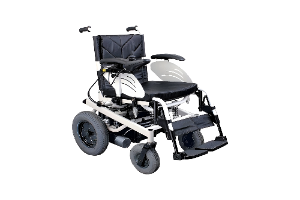
California personal injury law allows victims to recover financial compensation for lifetime care, lost earning capacity, and home modifications.
Common Causes of Wheelchair-Binding Catastrophic Injuries
-
Motor Vehicle Collisions: High-speed car, truck, and motorcycle accidents causing severe spinal cord injuries (SCI), traumatic brain injuries (TBI), or paralysis.
-
Slip, Trip, and Fall Incidents: Unsafe property conditions leading to severe vertebral fractures or neurological damage.
-
Workplace & Industrial Accidents: Construction falls, heavy machinery malfunctions, and structural collapses.
-
Medical Malpractice & Care Facility Negligence: Surgical errors, delayed diagnoses, or improper patient transfer procedures in hospitals and nursing homes.
-
Premises & Product Liability: Defective machinery, dangerous public walkways, or poorly designed safety equipment.
Long-Term Financial and Personal Impacts
-
Lifetime Medical Costs: Chronic pain management, physical therapy, secondary complications (such as pressure sores), and assistive medical technology.
-
Accessibility Modifications: Converting living spaces (ramps, stairlifts, roll-in showers) and purchasing wheelchair-accessible adaptive vehicles.
-
Loss of Earning Capacity: Inability to return to pre-injury employment or fully participate in the workforce.
-
In-Home Caregiving Services: Daily assistance for personal care, transportation, and home maintenance.
-
Psychological Trauma: Anxiety, depression, and loss of enjoyment of life resulting from a sudden loss of independence.
Determining Liability in California Wheelchair Injury Claims
Establishing fault requires proving that a negligent party breached its duty of care and directly caused the mobility-limiting injury. Potentially liable parties include:
|
Liable Party |
Basis of Legal Claim |
| At-Fault Drivers | Reckless, distracted, or impaired driving under motor vehicle negligence laws. |
| Property Owners | Failure to maintain safe conditions or repair hazards under premises liability laws. |
| Product Manufacturers | Design defects or inadequate warnings under product liability laws. |
| Healthcare Providers | Failure to meet the medical standard of care under medical malpractice laws. |
| Employers | Safety violations or improper training protocols under workplace injury laws. |
How Personal Injury Lawyers Maximize Recovery
Securing compensation for a life-altering disability requires building a comprehensive, evidence-based claim. Experienced legal representation will:
-
Gather Critical Evidence: Preserve medical records, accident reports, surveillance footage, and expert witness testimony.
-
Calculate Lifetime Damages: Partner with life care planners and economic experts to project the complete lifetime cost of care.
-
Prove Direct Negligence: Demonstrate clear fault to overcome aggressive insurance defense tactics.
-
Negotiate or Litigate: Pursue maximum settlements out of court or litigate at trial to secure full financial recovery.
If you or a family member suffered a catastrophic injury requiring a wheelchair, contact Injury Justice Law Firm in Los Angeles, California, for a professional case evaluation.
Frequently Asked Questions (FAQs)
What damages can be recovered in a lawsuit for an injury requiring a wheelchair?
Victims can recover economic damages—including past and future medical bills, lost wages, diminished earning capacity, home/vehicle modifications, and caregiving costs—as well as non-economic damages for pain, suffering, emotional distress, and loss of quality of life.
How long do I have to file a wheelchair injury lawsuit in California?
In California, the statute of limitations for personal injury claims is generally two years from the date of the accident. Claims involving government entities must be filed within six months.
Who is liable if a fall during a facility transfer causes wheelchair dependence?
Hospitals, nursing homes, or assisted living facilities can be held liable under medical malpractice or facility negligence laws if staff fail to follow proper safety protocols, use defective transfer equipment, or suffer from inadequate staffing.
Can I recover compensation if I was partially at fault for the accident?
Yes. California operates under a pure comparative negligence system. You can still recover compensation even if you share fault, though your total award will be reduced by your percentage of responsibility.
Why is a life care plan necessary for a wheelchair injury claim?
A life care plan provides a detailed, expert projection of all future costs associated with wheelchair dependence, ensuring your settlement accounts for decades of ongoing care, equipment replacements, and medical needs.
The Los Angeles-based attorneys at Injury Justice Law Firm are here to help you. Schedule your consultation today.