
Mormon Church Sexual Abuse Lawyers in California
Sexual abuse within a religious institution inflicts deep emotional, spiritual, and psychological harm.
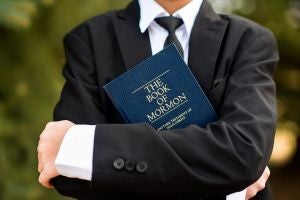
When sexual misconduct involves leadership or youth programs within the Church of Jesus Christ of Latter-day Saints (LDS Church), the breach of trust is amplified by the authority, faith, and community structure surrounding the victim.
Survivors frequently face intense pressure, isolation, and self-doubt when attempting to come forward.
California civil law provides a robust framework allowing survivors to pursue accountability, justice, and financial compensation.
Civil claims can be filed against individual perpetrators as well as the religious entities and local leadership that enabled, concealed, or failed to prevent the abuse.
Recent legislative updates in California allow survivors to bring claims forward even if the misconduct occurred decades ago.
For a confidential and compassionate evaluation of your claim, contact an experienced California sexual abuse attorney at Injury Justice Law Firm.
Institutional Dynamics and Vulnerabilities in LDS Church Settings
Civil litigation involving religious organizations focuses on structural practices that allow abuse to occur or continue unabated. In cases involving LDS Church settings, several unique cultural and institutional factors frequently arise:
-
Authority and Spiritual Guidance: Bishops, stake presidents, and youth leaders hold substantial moral authority. Abusers may exploit this power dynamic to manipulate victims and mandate compliance under the guise of spiritual counsel or religious duty.
-
Closed-Door Interviews: Standard ecclesiastical practices historically included private, one-on-one interviews between adult leaders and youth members. Without proper supervision or oversight, these closed-door meetings can create unmonitored environments for boundary violations.
-
Helpline Practices and Internal Reporting: Institutional policies regarding internal reporting lines—such as corporate legal helplines provided for ecclesiastical leaders—have faced legal scrutiny when disclosures result in internal advice rather than immediate mandatory reporting to law enforcement.
-
Grooming Behavior: Abuse often follows a gradual grooming process where a trusted leader or volunteer builds rapport with a family, secures unmonitored access to a minor, and systematically lowers boundaries over time.
Parties Held Accountable for Institutional Negligence
Civil lawsuits extend liability beyond the individual perpetrator to encompass corporate entities, regional divisions, and local leadership whose negligence contributed to the harm.
|
Responsible Party |
Role in Misconduct |
Legal Basis for Civil Liability |
| Individual Perpetrator | Commits direct acts of sexual abuse or exploitation. | Intentional torts, battery, assault, and intentional infliction of emotional distress. |
| LDS Corporate Entities | Maintains top-level policy, screening protocols, and internal reporting mechanisms. | Institutional negligence, negligent policies, concealment, or systemic failure to protect members. |
| Local Wards and Stakes | Oversees local congregation activities, youth programs, and leader selection. | Negligent hiring, retention, or supervision of leaders and volunteers. |
| Ecclesiastical Supervisors | Manages local leaders, youth counselors, and program staff. | Negligent supervision and failure to act on credible red flags or disclosures. |
| Affiliated Organizations | Operates church-sponsored youth programs, camps, or community initiatives. | Negligence in background vetting, staff training, and supervision protocols. |
Rights and Legal Options for Survivors Under California Civil Law
California civil law offers distinct avenues for survivors seeking recovery, operating independently from the criminal justice system with survivor-focused protections:
-
Civil Lawsuits for Damages: Survivors can seek financial compensation for economic losses (therapy expenses, medical care, lost income) and non-economic harm (pain and suffering, emotional distress, loss of life enjoyment).
-
Lower Standard of Proof: Civil claims require proof by a "preponderance of the evidence" (more likely than not), which is significantly lower than the criminal standard of "beyond a reasonable doubt."
-
Punitive Damages: In cases involving deliberate concealment, gross negligence, or fraudulent cover-ups, courts may award punitive damages to punish institutional misconduct.
-
Anonymous Filing Protections: California courts permit survivors to file lawsuits under pseudonyms (such as "Jane Doe" or "John Doe") to protect privacy and prevent public exposure.
-
Pre-Trial Confidential Settlements: Many civil claims are resolved out of court through confidential negotiations, securing substantial recovery while avoiding public trial proceedings.
California Statutes of Limitations for Religious Abuse Claims
California has repeatedly reformed its civil code to expand filing deadlines for survivors of child sexual abuse:
-
Claims Post-January 1, 2024: California law eliminates the statute of limitations entirely for civil claims involving childhood sexual abuse that occurred on or after January 1, 2024.
-
Adult Survivor Filing Windows: For abuse occurring prior to 2024, adult survivors may file claims up to age 40, or within 5 years from the date they discovered (or reasonably should have discovered) that psychological injury was caused by the past abuse.
-
Revival Statutes and Cover-Up Claims: Extended statutory windows allow claims to proceed against institutions if intentional cover-ups, concealment, or failure to disclose enabled ongoing abuse.
Because specific timelines depend on key factual details, an attorney evaluation is vital to determining current eligibility.
Frequently Asked Questions (FAQs)
Can I file a civil lawsuit against the LDS Church for sexual abuse?
Yes. You can file a civil lawsuit against individual perpetrators as well as church corporate entities, local wards, or stakes. Institutional liability arises when an organization fails to implement proper background checks, ignores warning signs, neglects to report abuse to law enforcement, or creates policies that enable misconduct.
What if the sexual abuse occurred decades ago in California?
You may still be eligible to file a lawsuit. California law has significantly expanded statutory deadlines for childhood sexual abuse claims. Under delayed discovery rules, adult survivors can bring claims within 5 years of realizing the psychological connection between past abuse and current harm, regardless of how much time has passed.
Do I need physical evidence or a prior police report to bring a claim?
No. Physical evidence and criminal reports are not mandatory for a civil suit. Claims can be established using personal testimony, psychological records, internal communications, witness statements, and evidence demonstrating a pattern of institutional negligence or prior complaints against the perpetrator.
Is it possible to protect my identity during an LDS abuse lawsuit?
Yes. California civil courts regularly grant permission for survivors of sexual abuse to file lawsuits using a pseudonym, such as "Jane Doe" or "John Doe." Protective orders can also be implemented to keep sensitive personal information, mental health records, and deposition testimony confidential.
What financial compensation can survivors recover in a civil case?
Survivors can recover economic damages for medical costs, specialized psychological therapy, lost income, and diminished earning capacity. Non-economic damages cover physical pain, emotional distress, and trauma. If an institution actively concealed known abuse, punitive damages may also be awarded to penalize the organization.
How are sexual abuse claims resolved if I want to avoid a public trial?
Many institutional sexual abuse cases are resolved through structured, out-of-court settlement negotiations or mediation. Experienced attorneys prepare every case as if it is going to trial, which provides necessary leverage to negotiate fair, confidential settlements that satisfy the survivor's goals without requiring court testimony.
Speak with a California Sexual Abuse Lawyer
If you or a loved one suffered sexual abuse within an LDS Church setting or youth program, you have legal rights under California law. Pursuing a civil action provides a structured path toward financial recovery, institutional accountability, and personal validation.
The legal team at Injury Justice Law Firm provides confidential, survivor-centered legal representation throughout Los Angeles and California. We stand ready to investigate your case, stand up to powerful institutions, and guide you through every step of the process.
Contact us today at (818) 394-7835 or complete our secure online contact form to schedule a private, no-obligation consultation.