
Los Angeles Nursing Home & Hospital Bedsores Lawyer: Pressure Ulcer Neglect Legal Guide
The occurrence of bedsores (also known as pressure ulcers, pressure injuries, or decubitus ulcers) in a hospital or nursing home setting is widely recognized as a "never event"—a serious, preventable medical error that should not occur under standard care protocols.
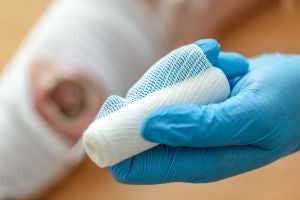
When an elder or bedridden patient develops pressure sores, it is frequently a direct indicator of facility negligence, inadequate staffing, or failure to follow mandatory prevention procedures.
In California, patients and their families can hold negligent hospitals, skilled nursing facilities, and healthcare staff civilly liable under personal injury, medical malpractice, and the Elder Abuse and Dependent Adult Civil Protection Act (EADACPA).
What Must Be Proven to Establish Liability
To successfully secure damages in a civil lawsuit, specific legal elements must be established:
-
Civil Liability (Negligence & EADACPA):
-
Duty of Care: The hospital or nursing home had a legal obligation to provide care meeting medical standards (e.g., conducting risk assessments, maintaining turning schedules).
-
Breach of Duty: The facility or staff failed to provide proper care (e.g., failing to reposition every 2 hours, ignoring hygiene, or neglecting nutrition).
-
Causation: The facility's breach directly caused the resident to develop pressure ulcers or allowed existing sores to worsen.
-
Damages: The patient suffered quantifiable harm, such as physical pain, infection, medical expenses, or wrongful death.
-
Heightened Culprability (For Reckless Neglect): Proving by clear and convincing evidence under WIC § 15657 that the facility acted with recklessness, oppression, or fraud (essential for recovering mandatory attorney fees and punitive damages).
-
Causes, Vulnerable Areas & Stages of Pressure Ulcers
Bedsores develop when prolonged pressure cuts off blood flow to the skin and underlying tissues, primarily affecting residents over 60, bedridden patients, wheelchair-bound individuals, or those with impaired sensation.
-
Vulnerable Body Areas: Heels, ankles, hips, tailbone (sacrum), lower back, elbows, shoulders, and the back of the head.
-
Primary Causes of Negligence: Failure to regularly reposition, poor hydration/nutrition, leaving residents in soiled linens (inadequate hygiene), failure to perform admission skin assessments, and chronic facility understaffing.
Stages of Pressure Ulcers
-
Stage 1: Intact skin showing persistent redness or discoloration (purple/blue on darker skin), warmth, or tenderness, indicating reduced blood flow.
-
Stage 2: The top layers of skin break open, creating a shallow open wound, crater, or fluid-filled blister.
-
Stage 3: The ulcer deepens through the skin into the subcutaneous fat layer, often forming a foul-smelling wound with high infection risk.
-
Stage 4: Deep, severe tissue damage exposing muscle, tendons, or bone; carries extreme risks of life-threatening systemic infection.
-
Unstageable: The full depth of the wound is obscured by dead tissue (slough or thick, dark eschar), requiring debridement before staging.
-
Deep Tissue Pressure Injury (DTPI): Intact skin presenting a dark purple or maroon discoloration, or a blood-filled blister caused by serious soft-tissue damage beneath the skin.
Medical Complications & Legal Damages
Left untreated, pressure ulcers rapidly escalate into catastrophic and life-threatening medical conditions:
-
Severe Complications:
-
Cellulitis: Rapidly spreading bacterial skin infection.
-
Osteomyelitis: Bone infection caused by bacteria burrowing deep into open Stage 4 wounds.
-
Sepsis & Bacteremia: Life-threatening systemic reaction when bacteria enter the bloodstream, causing organ failure or septic shock.
-
Septic Arthritis: Infection spreading into joint fluids, causing permanent joint damage.
-
Necrotizing Fasciitis: Rapidly progressing "flesh-eating" tissue destruction.
-
-
Recoverable Civil Damages:
-
Economic Damages: Full coverage of hospital stays, corrective surgeries, specialized wound care, prescriptions, and transfer to a new facility.
-
Non-Economic Damages: Financial compensation for physical pain, disfigurement, mental anguish, and reduced quality of life.
-
Mandatory Attorney Fees & Costs: Awarded under EADACPA (WIC § 15657) when reckless neglect is proven.
-
Punitive Damages: Extra financial penalties against facilities under Civil Code § 3294 for intentional disregard of patient safety.
-
Defense Strategies Raised by Facilities
Hospitals and nursing home defense attorneys frequently use specific strategies to avoid civil liability:
-
Unavoidable Complication Defense: Argument that the patient's underlying health conditions (e.g., diabetes, end-stage renal failure, severe peripheral vascular disease, advanced dementia) made tissue breakdown medically inevitable despite standard care.
-
Lack of Direct Causation: Claiming the pressure sore originated prior to admission or developed during home care rather than during the facility stay.
-
Compliance with Care Plans: Asserting that staff followed turn-charts, utilized specialized mattresses, and documented proper nutrition, attributing wound growth to sudden medical collapse.
Hypothetical Examples
-
Sacral Stage 4 Ulcer from Ignored Turn-Charts: An immobile stroke patient is left unpositioned for 8-hour stretches due to understaffed night shifts, developing a bone-exposed sacral ulcer. The skilled nursing facility is held liable under EADACPA for reckless neglect.
-
Sepsis Death from Unchecked Heel Sore: A diabetic hospital patient develops a Stage 2 heel ulcer that goes unmonitored by nursing staff. The wound becomes gangrenous, causing fatal sepsis, grounding a wrongful death lawsuit.
-
Falsified Records & Unstageable Wound: Staff document turning a wheelchair-bound resident every two hours, but security footage proves the resident was never moved. The facility faces civil lawsuits and punitive damages for falsifying medical records to cover up neglect.
Related Laws & Statutes
-
California Welfare & Institutions Code § 15600 et seq. (EADACPA): Governs civil remedies, legal protections, attorney fee recovery, and punitive damages for elder abuse and neglect.
-
California Penal Code § 368 PC: Criminalizes elder abuse, endangerment, and willful infliction of physical suffering by caregivers.
-
California Code of Civil Procedure § 335.1: Sets a 2-year statute of limitations for personal injury and wrongful death lawsuits from the date of discovery.
-
California Code of Regulations Title 22: Mandates operational requirements, hygiene protocols, and minimum nurse-to-patient staffing levels for California care facilities.
Frequently Asked Questions (FAQs)
Are bedsores always a sign of nursing home or hospital neglect?
In the vast majority of cases, yes. Medical consensus classifies pressure ulcers as a "never event." Unless a patient has extreme end-of-life organ failure where turning is medically contraindicated, proper repositioning, hygiene, and nutrition prevent them.
Who can be held liable in a Los Angeles bedsore lawsuit?
Liable parties include attending physicians, registered nurses, certified nursing assistants (CNAs), physical therapists, hospital networks, and corporate owners of skilled nursing facilities.
How quickly must a bedsore lawsuit be filed in California?
Under California Code of Civil Procedure § 335.1, personal injury and wrongful death lawsuits involving elder neglect must generally be filed within two years from the date the neglect was discovered.
What is the difference between medical malpractice and elder abuse in bedsore cases?
Medical malpractice involves a failure to meet professional medical standards of care. Elder abuse under EADACPA involves "reckless neglect"—such as intentional understaffing or systematic refusal to turn patients—which opens facilities to heightened damages and attorney fee awards.
Can a family file a lawsuit if a loved one passed away from bedsore complications?
Yes. Surviving family members can bring a wrongful death lawsuit under CCP § 377.60 to recover medical bills, funeral expenses, and loss of companionship, as well as a survival action for the pain suffered by the deceased.
What key evidence is used to win a pressure ulcer neglect lawsuit?
Critical evidence includes medical chart turning-logs, photographic history of the wound, CDPH state violation citations, staffing roster sheets, witness testimony, and expert medical analysis.
How does facility understaffing contribute to pressure sore liability?
When corporate owners understaff facilities to boost profits, routine tasks like turning patients every two hours are routinely skipped. Demonstrating corporate understaffing helps establish reckless neglect under California law.
Can a nursing home defend itself by claiming a resident refused to be repositioned?
Facilities cannot simply claim refusal without documentation. Caregivers are legally required to educate the patient, try alternative repositioning methods, document the refusal, and notify attending physicians to adjust care plans.
Injury Justice Law Firm can help you. To schedule a consultation, call (818) 394-7835 or fill out the contact form.