
Broken Bones & Fracture Injury Lawsuits in California: Legal Guide & Compensation
A broken bone or severe fracture is a traumatic, painful event that can cause temporary or permanent physical disability, extensive medical expenses, and significant time away from work.
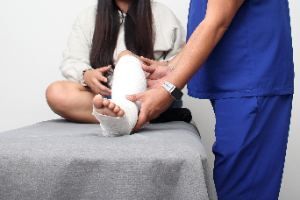
While minor hairline cracks may heal relatively quickly, complex, compound, or crushed fractures frequently require reconstructive surgeries, metal hardware installation (internal fixation), and months of physical rehabilitation.
Under California personal injury law, individuals who suffer bone fractures due to another party's negligence—such as in a motor vehicle collision, slip and fall accident, or workplace incident—are entitled to seek full financial compensation.
A personal injury lawsuit holds negligent parties accountable and secures necessary funds for medical bills, lost earnings, and non-economic harm.
What Is the Difference Between a Broken Bone and a Fracture?
In the medical and legal communities, the terms "broken bone" and "fracture" are interchangeable. Both describe a structural disruption in the continuity of a bone caused by blunt force trauma, excessive pressure, or repetitive strain.
California personal injury claims frequently involve various types of bone fractures:
-
Closed (Simple) Fractures: The bone breaks completely or partially, but the surrounding skin remains intact.
-
Open (Compound) Fractures: The fractured bone pierces through the skin. These are severe medical emergencies with a high risk of deep tissue infection or osteomyelitis.
-
Comminuted Fractures: The bone splinters or shatters into three or more distinct fragments, usually requiring surgical stabilization with plates, screws, or rods.
-
Displaced Fractures: The bone snaps into two or more misaligned parts, requiring manual manipulation (reduction) or surgery to realign properly.
-
Greenstick Fractures: Common in children, where one side of the flexible bone breaks while the other side bends.
-
Hairline & Stress Fractures: Small, thin cracks caused by repeated mechanical strain or low-impact force that can be difficult to detect on standard X-rays.
-
Avulsion Fractures: A trauma event where a tendon or ligament pulls away, tearing a fragment of bone off with it.
Common Causes of Fracture Injuries in California
Bone fractures occur when physical force exceeds a bone's natural tensile strength. Preventable accidents that commonly lead to California personal injury lawsuits include:
-
Motor Vehicle Accidents: High-impact collisions involving cars, commercial trucks, motorcycles, bicycles, or pedestrians often cause severe pelvic, facial, femur, or spinal fractures.
-
Slip, Trip, and Fall Incidents: Property owners who fail to maintain safe premises (e.g., wet floors, uneven concrete, broken stairs, or dark hallways) face premises liability claims when visitors fall and suffer hip, wrist, or ankle fractures.
-
Workplace & Industrial Accidents: Construction workers and industrial personnel often suffer crush fractures or trauma from falling objects involving heavy machinery, ladders, or scaffolding.
-
Defective Products: Equipment or safety product failures—such as faulty automotive airbags, collapsing ladders, or malfunctioning power tools—can cause sudden physical force that results in broken bones.
Medical Complications and Long-Term Impacts
Complex bone fractures can lead to medical complications that extend recovery timelines and increase lifetime medical costs:
-
Reduced Mobility & Stiffness: Weight-bearing fractures (such as femur, pelvic, or ankle breaks) may impair long-term physical movement.
-
Nerve Damage & Vascular Compromise: Fractures near major nerve pathways or blood vessels can cause localized numbness, chronic pain, or reduced circulation.
-
Nonunion or Malunion: Fractures that fail to heal (nonunion) or heal in an improper alignment (malunion) may require secondary corrective surgeries.
-
Chronic Pain & Post-Traumatic Arthritis: Damage to bone joints often leads to long-term pain and early-onset arthritis in the affected area.
Recoverable Damages in California Fracture Lawsuits
California law permits victims of negligent bone injuries to seek both economic and non-economic damages:
Economic Damages (Quantifiable Losses)
-
Past & Future Medical Expenses: Emergency room visits, CT scans, X-rays, surgeries, physical therapy, prescription pain management, and orthopedic follow-ups.
-
Lost Income: Compensation for wages missed during emergency recovery and initial healing.
-
Loss of Future Earning Capacity: Financial recovery if a severe fracture prevents a worker from returning to their former occupation or earning potential.
Non-Economic Damages (Quality of Life)
-
Pain and Suffering: Compensation for intense physical pain experienced during the injury, surgical procedures, and rehabilitation.
-
Emotional Distress: Damages for anxiety, depression, and lifestyle disruptions caused by physical limitations.
-
Loss of Enjoyment of Life: Recovery for the inability to participate in sports, hobbies, or daily personal routines.
In California civil proceedings, severe bone fractures may also qualify under the legal standard of "Great Bodily Injury" (GBI), a designation given to significant or substantial physical harm that can enhance the evaluation of a personal injury claim.
Proving Liability in a California Broken Bone Case
To succeed in a fracture lawsuit, an injured party must establish three legal elements:
-
Duty of Care: The defendant owed a legal obligation to act reasonably (e.g., a driver obeying traffic laws or a store owner maintaining clear walkways).
-
Breach of Duty: The defendant acted negligently, recklessly, or carelessly.
-
Causation & Damages: The defendant's breach directly caused the accident resulting in a verified bone fracture and associated monetary damages.
California uses a pure comparative fault system. An injured person can still recover financial compensation even if they were partially at fault, with the total award reduced proportionally by their percentage of fault.
Frequently Asked Questions (FAQs)
What qualifies as a serious bone fracture in a California personal injury lawsuit?
In a personal injury lawsuit, a serious bone fracture includes any break that requires surgical intervention (such as open reduction and internal fixation), results in an open wound, damages nearby nerves or blood vessels, or causes long-term disability or reduced earning capacity. Fractures classified as "Great Bodily Injury" under California law typically carry substantial settlement value due to their severe impact.
What is the deadline to file a broken bone injury lawsuit in California?
The statute of limitations for personal injury claims involving broken bones in California is generally two years from the date of the accident. If the injury involves a government entity (such as a slip and fall on public property or a collision with a city bus), you must file an administrative claim within six months of the incident.
How much is a broken bone lawsuit worth in California?
The value of a broken bone case depends on several factors, including total medical expenses, lost wages, the need for future surgeries, whether the break healed properly, and the overall impact on the victim's daily life. Complex fractures requiring surgery or leading to permanent impairment typically command higher settlement amounts than uncomplicated closed fractures.
Can I sue if I broke a bone in a slip and fall accident on commercial property?
Yes. Property owners in California have a legal duty to maintain reasonably safe premises. If a business owner or landlord knew—or reasonably should have known—about a hazard (such as a spill, loose carpet, or broken step) and failed to fix or warn about it, you can file a premises liability lawsuit to recover damages for your fracture.
What if my broken bone requires future surgery or hardware removal?
If your fracture requires future procedures, such as metal plate removal or joint reconstruction, your attorney will work with orthopedic specialists to calculate these projected costs. Future medical expenses and anticipated lost wages are calculated and included in your total settlement demand before resolving your case.
Injury Justice Law Firm can help you. To schedule a consultation, call (818) 394-7835 or fill out the contact form. Our law firm is based in Los Angeles.