
California Fishing Pier Injury Lawyer
California's scenic ocean piers—from Santa Monica and Huntington Beach to San Mateo and Pacifica—are iconic destinations for anglers, families, and tourists.
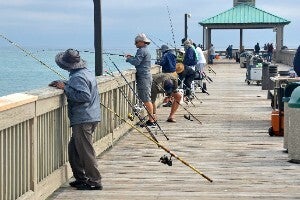
However, the harsh marine environment, combined with heavy foot traffic, creates significant hazards. When public municipalities or private pier operators fail to properly inspect, maintain, or repair these wooden structures, a relaxing outing can quickly turn into a life-altering accident.
If you or a loved one suffered a severe injury on a California fishing pier, you may be entitled to financial recovery through a premises liability lawsuit.
Key Takeaway:
Fishing pier accidents in California fall under premises liability law. Pier owners, private operators, and government municipalities have a legal duty to keep walkways, railings, and decking safe. Crucially, if a government entity owns or manages the pier, California law requires injured victims to file a formal government administrative claim within 6 months of the incident.
Quick Reference Summary Chart
|
Topic |
Key Details |
| Legal Claim Type | Premises Liability / Personal Injury Lawsuit |
| Primary Legal Bases | Negligence, failure to maintain premises, public entity dangerous condition (Gov. Code § 835) |
| Potentially Liable Parties | City/County municipalities, private pier owners, maintenance contractors, charter businesses |
| Government Claim Deadline | 6 Months from the date of injury (California Government Claims Act) |
| Private Claim Deadline | 2 Years from the date of injury (Standard Statute of Limitations) |
| Recoverable Damages | Medical bills, future physical therapy, lost income, lost earning capacity, pain and suffering |
Common Causes of Fishing Pier Accidents
Pier maintenance requires constant vigilance against salt corrosion, wood rot, ocean surges, and heavy use. When pier managers cut corners on maintenance, visitors face serious hazards:
-
Rotting or Broken Decking: Weathered planking, structural rot, and loose wooden boards can cause sudden trip-and-fall accidents or catastrophic foot-trap injuries.
-
Protruding Nails, Screws, and Hardware: Exposure to salt air causes decking boards to warp and hardware to pull loose, creating severe trip risks and deep puncture hazards.
-
Slippery Walkways: Accumulations of algae, fish guts, discarded bait, and standing water create extreme slip-and-fall hazards when staff fails to wash down surfaces or apply non-slip coatings.
-
Corroded or Defective Railings: Rusted, loose, or improperly height-designed handrails can give way under weight, leading to dangerous falls onto rocky shorelines or into deep water.
-
Inadequate Lighting: Poorly lit walkways and dark stairwells hide hazardous obstacles, discarded fishing gear, and uneven planking during early morning or nighttime fishing.
-
Discarded Fishing Gear & Debris: Unattended hooks, lines, tackle boxes, and filleting knives left in pedestrian paths cause trips, deep lacerations, and severe puncture wounds.
Common Injuries Sustained on California Piers
Injuries occurring on fishing piers range from orthopedic fractures to life-threatening physical trauma:
-
Complex Fractures & Joint Dislocations: Resulting from hard falls onto unyielding wooden or concrete decking.
-
Traumatic Brain Injuries (TBIs) & Concussions: Caused by striking the head against railings, benches, or wooden beams during a fall.
-
Spinal Cord & Back Injuries: Herniated discs and compression fractures from sudden slips on wet, slimy surfaces.
-
Severe Puncture Wounds & Infections: From rusted hardware or discarded fishhooks, which carry a high risk of bacterial marine infections (such as Vibrio).
-
Near-Drowning & Water-Impact Trauma: Falling off a pier due to railing failures can cause severe blunt force trauma from submerged rocks or pilings, as well as drowning risks.
Who Is Liable for a Fishing Pier Accident?
Establishing liability requires identifying who owned, controlled, or maintained the pier at the time of your injury. Depending on the location, responsible parties may include:
1. Municipalities and Government Agencies
The vast majority of public fishing piers in California are owned and operated by local cities, counties, or state park departments. Under California Government Code § 835, a public entity is liable for injuries caused by a dangerous condition on its property if the entity had notice of the hazard and failed to take protective measures.
2. Private Property Owners & Commercial Operators
Some piers, landings, and boardwalks are privately owned or leased out to commercial entities (such as restaurants, bait shops, or private marinas). Private property owners owe invitees a standard duty of reasonable care under California premises liability law.
3. Third-Party Maintenance Contractors
Pier operators frequently hire outside contractors for structural repairs, pressure washing, and lighting upkeep. If a contractor's faulty work or failure to perform repairs causes an injury, they can be held directly liable for negligence.
4. Commercial Fishing Charters & Excursion Companies
If your injury occurred while boarding, unloading, or utilizing equipment from a charter boat operating out of a pier facility, the charter operator may share liability for unsafe boarding conditions.
Understanding the Strict 6-Month Government Claim Deadline
The single most critical factor in a California pier injury case is determining property ownership immediately.
If the pier is owned or maintained by a government entity (such as the City of Santa Monica, County of Los Angeles, or California State Parks), your case is governed by the California Government Claims Act.
CRITICAL LEGAL NOTICE:
You cannot file a direct lawsuit against a California public entity without first presenting a formal Administrative Notice of Claim within six (6) months of the date of the injury. Missing this tight deadline almost always permanently forfeits your legal right to pursue compensation.
If the pier is privately owned, the standard California personal injury statute of limitations is two (2) years from the date of the incident.
How Our Attorneys Prove Pier Negligence
Successfully recovering compensation requires building a strong evidentiary foundation before physical conditions on the pier change:
-
Scene Preservation & Documentation: We immediately photograph the hazardous condition (e.g., rusted hardware, rotten wood, missing lighting, or unwashed algae) before repairs are made.
-
Subpoenaing Maintenance Records: We request historical inspection logs, work orders, repair requests, and prior incident reports to prove the pier operator had advance knowledge of the hazard.
-
Preserving Video Surveillance: Many public piers feature security and traffic cameras. We issue formal spoliation letters demanding that pier managers preserve all relevant footage.
-
Engaging Marine Structure Experts: We consult structural engineers, safety consultants, and marine industry experts to demonstrate how the pier failed to meet state building codes or industry safety standards.
Frequently Asked Questions
What should I do immediately after getting injured on a California fishing pier?
Seek medical treatment right away. Report the incident to the pier lifeguard, harbor master, or local police department to create an official record. Take clear photos and videos of the hazard that caused your injury, collect contact details from any witnesses, and consult a personal injury attorney before giving recorded statements to insurance adjusters.
What if I slipped on fish bait or water left by another angler?
The pier owner or operator can still be held liable if staff failed to conduct reasonable safety inspections or failed to clean known hazardous areas within a reasonable timeframe. Property owners must maintain reasonably safe premises even when hazards are created by third parties.
How do I know if the pier where I was injured is publicly or privately owned?
An attorney can quickly review property tax records, municipal boundary maps, and public agency registries to determine whether a city, county, state agency, or private enterprise holds legal responsibility for the pier.
What happens if a government agency denies my 6-month administrative claim?
If a public entity rejects your administrative claim, you typically have six months from the date the rejection notice was mailed to file a formal civil lawsuit in court.
Can I still recover damages if I was partially at fault for my fall?
Yes. California follows a pure comparative fault rule. If a court finds you 20% responsible for your injury, your final compensation award will simply be reduced by 20%, allowing you to recover the remaining 80%.
What compensation can I recover in a fishing pier lawsuit?
You can seek economic and non-economic damages, including coverage for past and future medical bills, physical therapy, lost wages, reduced future earning capacity, pain and suffering, and emotional distress.
How much does it cost to hire a lawyer for a pier injury case?
Personal injury lawyers handle fishing pier claims on a contingency fee basis. You pay zero upfront costs or out-of-pocket attorney fees; your lawyer is only paid if they successfully secure a financial settlement or jury verdict on your behalf.
Speak with a California Personal Injury Attorney
Navigating premises liability claims involving public entities and complex maritime locations requires experienced legal representation. The defense attorneys for municipalities and commercial property insurers move quickly to protect their interests—you deserve a team doing the same for you.
If you were injured on a California fishing pier, contact Injury Justice Law Firm today for a free, no-obligation consultation to review your claim, protect your legal rights, and ensure critical filing deadlines are met.