
Traveling by air should be a routine experience, but for a growing number of passengers, it becomes a setting for trauma.
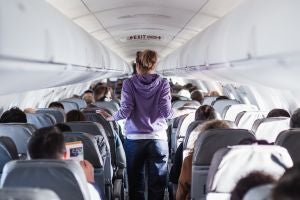
In-flight sexual assault is a deeply disturbing crime, and recent reports indicate that these incidents are becoming more common.
The Federal Bureau of Investigation (FBI) has issued public alerts to raise awareness of this growing threat. For survivors, the experience is not only a violation of personal safety but also a profound betrayal of trust in what should be a secure environment.
A particularly concerning factor in many of these cases is the involvement of sleep aids. Many travelers use medication or alcohol to cope with flight anxiety or to rest during long-haul journeys.
While these aids can seem harmless, understanding this connection can motivate airline staff and advocacy groups to promote safety measures and support survivors seeking justice.
Key Takeaways
- The use of sleep aids and alcohol significantly contributes to the increase in in-flight sexual assaults, as these substances can impair passengers' alertness and vulnerability, providing opportunities for offenders.
- The FBI has observed a concerning rise in reported incidents, often happening during long overnight flights when the cabin is dark.
- Sleep aids and alcohol diminish a person's awareness and response to unwanted contact, increasing their vulnerability.
- At high altitudes, the effects of alcohol are often stronger because of reduced oxygen levels in the cabin.
- The dark cabin and close-quarter seating on overnight flights can create an 'internal sense of privacy and intimacy,' which offenders sometimes exploit.
- Assailants, predominantly men, often choose women and unaccompanied minors seated by windows or in middle seats covered with a blanket, as they are less visible to crew or other passengers.
- Offenders sometimes "test" victims by brushing against them to see how they react or if they wake up before escalating the assault.
- The actual number of incidents is probably much higher, since victims might feel embarrassed, wish to avoid causing a scene, or convince themselves that the assault was accidental.
How Sexual Assault Occurs on Airplanes
In most cases, in-flight sexual assault occurs clandestinely through unwanted touching. They frequently occur on long-haul flights, often when the cabin lights are dimmed to promote sleep.
Survivors are typically in middle or window seats and may be covered with a blanket or jacket, making it harder for others to see what is happening. The perpetrator is usually a male seated next to the victim, who is often a woman or an unaccompanied minor.
The vulnerability of a sleeping or groggy passenger creates an opportunity for assailants to act.
How Sleep Aids Increase Vulnerability
Many passengers rely on sleep aids, whether over-the-counter medications, prescription drugs, or alcohol, to make flying more comfortable.
These substances can relax the body and mind, but they also impair judgment, slow reaction times, and lead to a deeper state of sleep from which it is difficult to awaken. This state of reduced awareness is precisely what perpetrators look for in a target.
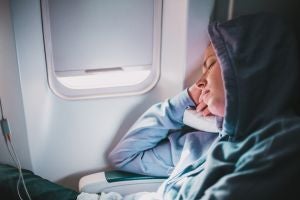
When a person is under the influence of a sleep aid, they may not immediately recognize an inappropriate touch. Assailants often "test" their victims by pretending to brush against them to see if they react accidentally.
If the person is in a deep, medicated sleep, they may not respond, which emboldens the attacker to escalate their actions.
The combination of alcohol and sleep medication is especially dangerous. Alcohol can amplify the sedative effects of sleeping pills, leading to a state of profound incapacitation.
A person in this condition is unable to consent, physically resist, or even fully comprehend what is happening to them. Many survivors report waking up to find their seatmate's hands inside their clothing, feeling disoriented and unsure of how to react. Attackers exploit this confusion, knowing that victims may feel embarrassed, question their own memories, or hesitate to cause a scene.
Who Can Be Held Legally Liable?
If you have survived a sexual assault on an airplane, knowing that a civil lawsuit can provide a path to accountability and compensation can help victims feel empowered and hopeful for justice.
The Assailant
The most direct legal action you can take is a civil lawsuit against the individual who assaulted you. Through a personal injury claim, you can seek compensation for physical injuries, emotional distress, psychological trauma, pain and suffering, and the cost of therapy or medical treatment.
In a civil case, the burden of proof is a "preponderance of the evidence," meaning it is more likely than not that the assault occurred. This standard is less strict than the "beyond a reasonable doubt" requirement in criminal cases.
The Airline
Airlines have a 'duty of care' to ensure passenger safety. Implementing clear safety protocols, staff training to recognize and respond to misconduct, and passenger awareness campaigns are essential to preventing incidents and protecting vulnerable travelers.
Examples of airline negligence include:
- Over-serving alcohol: Serving a visibly intoxicated passenger who then commits an assault could make the airline partially responsible.
- Ignoring complaints: If you or another passenger reported feeling unsafe and the flight crew failed to act, such as by moving you, the airline may have breached its duty of care.
- Inadequate training or response: Airlines are required to have protocols for handling criminal acts. Failing to follow these procedures or respond properly to an assault report can be considered negligence.
When Does California Law Apply to Sexual Abuse on Airplanes?
While sexual assault on an airplane is a federal crime, you may be able to file a civil lawsuit for damages under California law under certain circumstances, especially if a connection can be made between the incident and the state.
These connections, known as "personal jurisdiction," allow California courts to hear the case. You might be able to file your claim here if:
- Either you or the person who assaulted you is a resident of California.
- The perpetrator has significant ties to California, such as owning property or conducting business in the state.
- The airline itself is headquartered or has major operations in California, or the specific aircraft is registered in the state.
- The assault occurred while the plane was flying over California airspace.
These factors can establish a legal basis for your case to be handled within the California court system, allowing you to seek accountability and compensation closer to home.
If you are a victim of an in-flight sexual assault, our sex abuse lawyers can help you receive compensation by filing a lawsuit against the responsible parties. Contact the Injury Justice Law Firm for a case review.
Related Content:
