
For many survivors of sexual abuse, the road to healing and justice is complex and deeply personal. The trauma of the abuse can lead to repressed memories that are pushed to the unconscious mind as a way to cope with pain and fear.
It's important to recognize the resilience of survivors who, despite these challenges, continue their journey towards healing and justice.
For survivors in California, the state's civil legal system provides a pathway to seek accountability even when those memories surface long after the abuse occurred. This system is designed to support survivors in their quest for justice, providing a framework for holding perpetrators accountable.
But what if the suppressed memories are recalled through hypnosis? Is that discovery admissible as evidence in a civil sexual abuse case?
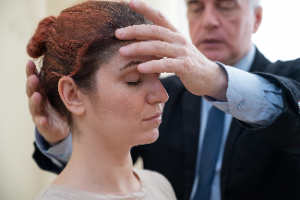
While hypnosis is a legitimate way to uncover repressed memories, its subjective nature renders it inadmissible as standalone evidence in court. However, the process of recalling these memories can still be instrumental in finding additional evidence to validate them.
This understanding of the role of hypnosis can provide reassurance to survivors about the validity of their memories. However, uncovering those memories can still be useful toward finding additional evidence to confirm them.
What Is a Repressed Memory?
A repressed memory is a memory of a traumatic event that has been unconsciously blocked out, often as a coping mechanism to protect oneself from the emotional pain associated with the event.
In the context of a person who was abused as a child, a repressed memory may involve the inability to recall the details of the abuse they experienced as a child.
This inability to recall details is thought to happen because the brain attempts to shield the person from the distressing emotions and psychological impact of the abuse.
What Causes Repressed Memories?
When a traumatic event occurs, the brain processes the information and stores it as a memory. Repression of traumatic memories is believed to be a defense mechanism that helps protect an individual from the emotional pain and distress associated with the event.
While the exact neural mechanisms underlying repressed memories are not fully known, research suggests that several brain regions and processes may be involved, such as the following:
- Prefrontal Cortex. The prefrontal cortex is involved in higher cognitive functions such as decision-making and the regulation of emotions. The prefrontal cortex may play a role in inhibiting the retrieval of traumatic memories as a way of protecting the individual from distress.
- Neurotransmitters. The brain uses chemicals called neurotransmitters to transmit information between neurons. Serotonin and dopamine are thought to play a role in memory formation and retrieval. An imbalance may contribute to the repression of traumatic memories.
- Amygdala. The amygdala is a structure in the brain that plays a crucial role in processing emotions, particularly fear and stress. Amygdala's involvement in emotional memory formation may act as a way of minimizing emotional distress.
- Hippocampus. The hippocampus is involved in forming and consolidating conscious memories. Traumatic events can cause the release of stress hormones like cortisol, which can impair the hippocampus's functioning, leading to the formation of incomplete memories.
California's Statute of Limitations in Sexual Abuse Cases
California is widely regarded as one of the most survivor-centered states when it comes to addressing sexual abuse in civil courts. The state's civil statute of limitations acknowledges the profound effect trauma can have on memory.

Survivors of sexual abuse can often bring civil claims long after the abuse occurred, recognizing that it can take years, even decades, for individuals to process and confront their experiences.
Under this framework, cases can typically be filed within three years of the survivor discovering injury from the abuse (or within five years if the survivor was a minor at the time of the abuse).
That being said, remembering an act of abuse that was long forgotten is typically not enough on its own to hold a person liable in a civil claim--including when the act is remembered through hypnosis or other treatments.
For the courts to award damages, there must typically be some form of corroborating evidence to support the claim.
Why Hypnotically Recovered Memories Are Generally Inadmissible
Memories recovered through hypnosis, often referred to as "hypnotically refreshed" memories, are treated with significant skepticism in legal proceedings, and for good reason.

While hypnosis is sometimes portrayed as a tool for unearthing precise and untouched memories, the reality is far more complicated.
Hypnosis operates as an altered state of consciousness in which individuals may become more open to suggestion.
This heightened suggestibility makes it possible for false or distorted memories to be unintentionally created or reinforced during the hypnotic process, even by well-meaning practitioners.
Research has demonstrated that hypnotized individuals can become highly confident in the accuracy of their recalled memories, even when those memories are inaccurate. Courts, therefore, treat such evidence with caution due to the following concerns:
- Unreliability: Hypnosis does not distinguish between true memories and those influenced by suggestion or imagination. The lack of a clear boundary between factual and fabricated details undermines its credibility as evidence.
- Risk of Contamination: During hypnosis, a survivor's memory can be unintentionally influenced by external factors, such as the hypnotherapist's questions, verbal cues, or even the survivor's expectations.
- Potential for Misleading Jurors: Because hypnosis is often misunderstood as an infallible truth-revealing method, jurors could place undue weight on hypnotically recalled memories, creating an unjust outcome.
As a result, California courts generally exclude hypnotically recovered memories as admissible evidence in civil cases. The priority is to ensure that decisions are based on objective, reliable information to uphold the fairness of the judicial process.
Hypnosis as an Investigative Tool
While hypnotically recovered memories are not admissible as direct evidence, hypnosis remains a valuable tool in certain investigative contexts.
For survivors, this practice can serve as a way to access memories that feel just out of reach. It's important to note that hypnosis is not a magic bullet that uncovers perfect, untouched memories.

Instead, it's sometimes used as part of a broader therapeutic or investigative approach, which may include regular therapy sessions, trauma-informed care, and other memory retrieval techniques, to help survivors recall details of their abuse, such as specific locations, individuals, or timelines.
These recollections, when handled responsibly, can provide important leads for gathering separate, corroborative evidence.
For instance, a survivor undergoing hypnosis might recall the name of a school, a specific room, or a schedule that aligns with the time the abuse occurred.
A skilled California sexual abuse attorney can then use this information to locate records, interview witnesses, or uncover physical evidence that independently substantiates the survivor's memories.
This could include school records, witness testimonies, or physical evidence from the location. This approach transforms hypnosis from a standalone evidentiary tool into a stepping stone toward other forms of admissible evidence, providing hope and empowerment to survivors and legal professionals.
How Can a Sexual Abuse Lawyer Help You with Repressed Memories?
Given the complexity of the legal system's approach to repressed memories, survivors must seek legal guidance. A skilled sexual abuse lawyer can provide the necessary support and reassurance, helping survivors navigate the legal process with confidence.
They can help you understand the legal implications of repressed memories, guide you through the statute of limitations, and assist in gathering corroborative evidence to support your claim.

A lawyer with experience in California sexual abuse law can help you navigate the complexities surrounding repressed memories. They can guide the admissibility of such memories as evidence, help you understand the statutes of limitation in your jurisdiction, and work with you to develop the best legal strategy for your case.
If you believe you have repressed memories that may be relevant to a legal matter, consult with an experienced sex abuse law firm to discuss your options and protect your rights.
At the Injury Justice Law Firm, our sexual abuse attorneys have broad experience helping survivors find justice even in the most complex cases.
If you have recovered repressed memories through hypnosis, we have the investigative skills necessary to contextualize those memories and find whatever substantive evidence may be available to strengthen your case. Our law firm is located in Los Angeles, CA.
Related Content:
